My Special Care Counselling Glossary.
My Special Care Counselling Glossary.
My name is Crystelle, and I am currently studying in the Special Care Counselling. I have been in this program for one and a half years, and throughout my studies, I have learned many important concepts and terms related to this field. This glossary contains words that are related to my field of study. These terms include important qualities a special care counsellor must have, as well as concepts and the diverse client populations I can work with.
- accompany
- verb
- Be present or occur at the same time as (something else).
- Example: She accompanied the child during the first day of school.
- en: accompagnement
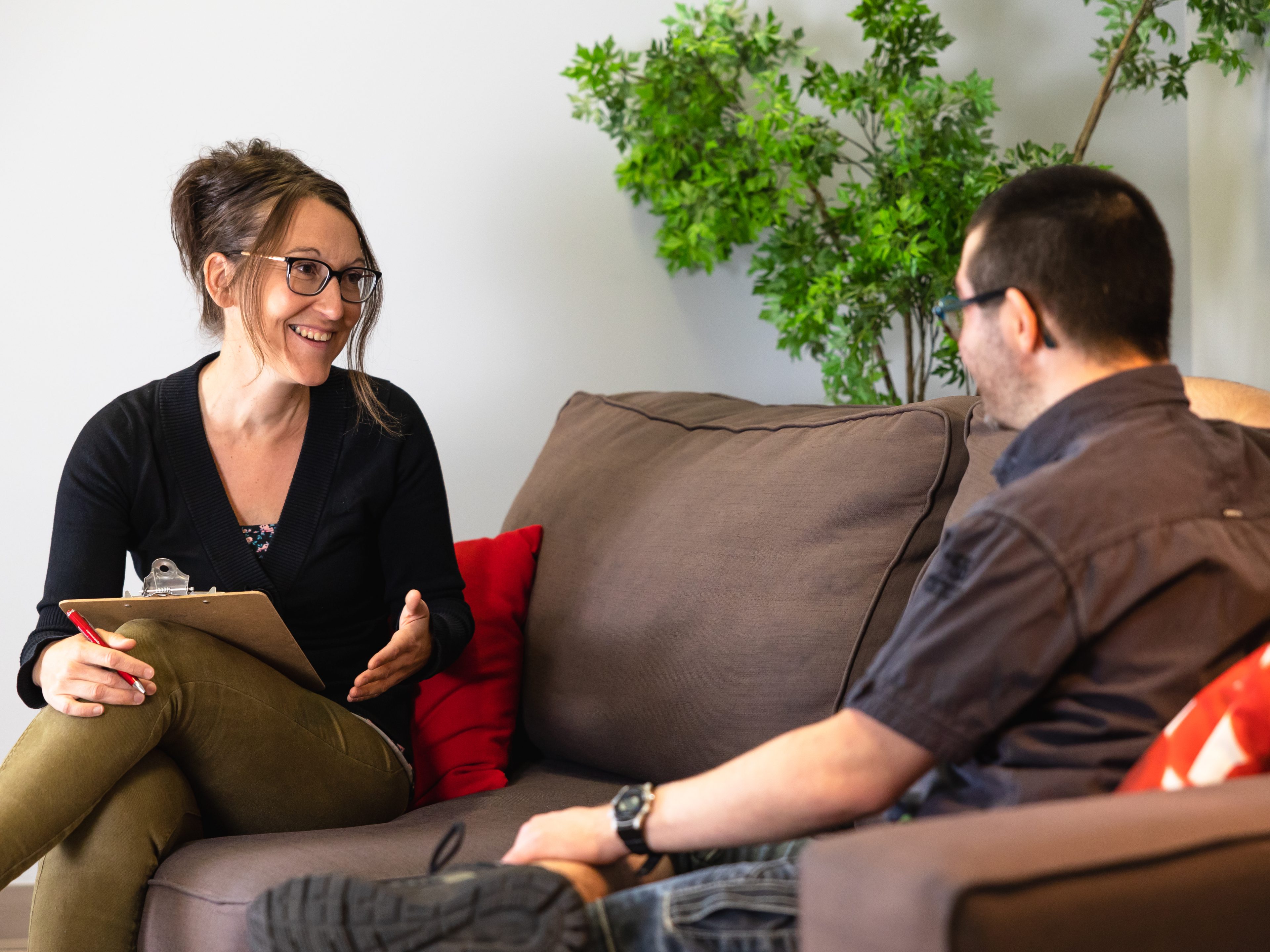
- active listening
- noun
- The practice of engaging closely with what a speaker is saying and indicating understanding, typically by asking relevant questions, using gestures, and summarizing.
- Example: I was doing active listening when my friend tells me about her situation.
- en: écoute active
:max_bytes(150000):strip_icc():format(webp)/active-listening-skills-with-examples-2059684-ct-edit-b374ca3a973b466283314e6ee3ae7b1a.jpg)
- adaptability
- noun
- The quality of being able to adjust to new conditions.
- Example: It takes adaptability to juggle with nine course in college.
- en: adaptabilité

- adults
- noun
- A person who is fully grown or developed.
- Example: OT's usually work in either hospitals or social services, and can work with a very wide range of people including children, teenagers, ADULTS, and elderly: in mental health, leaning disability, physical disability or rehabilitation settings.
- en: adultes
- autonomy
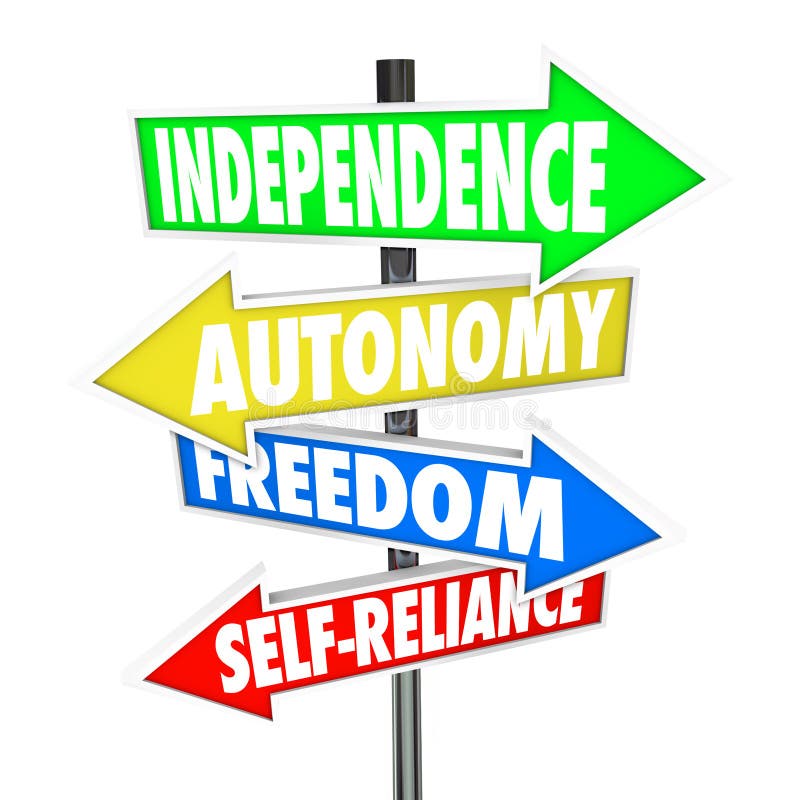
- noun
- Autonomy means self-governance or self-direction, the capacity for an individual or group to make their own informed, uncoerced decisions and act on them, free from external control.
- Example: The purpose is to help the person to develop his autonomy.
- en: autonomie
- children
- noun
- A young human being below the age of puberty or below the legal age of majority.
- Example: I work with children in a primary school.
- en: enfants

- collaboration
- noun
- Collaboration is a partnership; a union; the act of producing or making something together. Collaboration can take place between two people or many people, strangers or best friends. To collaborate is to commit to the possibility of producing an outcome greater than one that would be developed in a silo.
- Example: As equally as the evidence showing contact between the two countries suggests COLLABORATION, it suggests shared knowledge and thus the Germans would have had ample access to such information.
- en: collaboration

- creativity
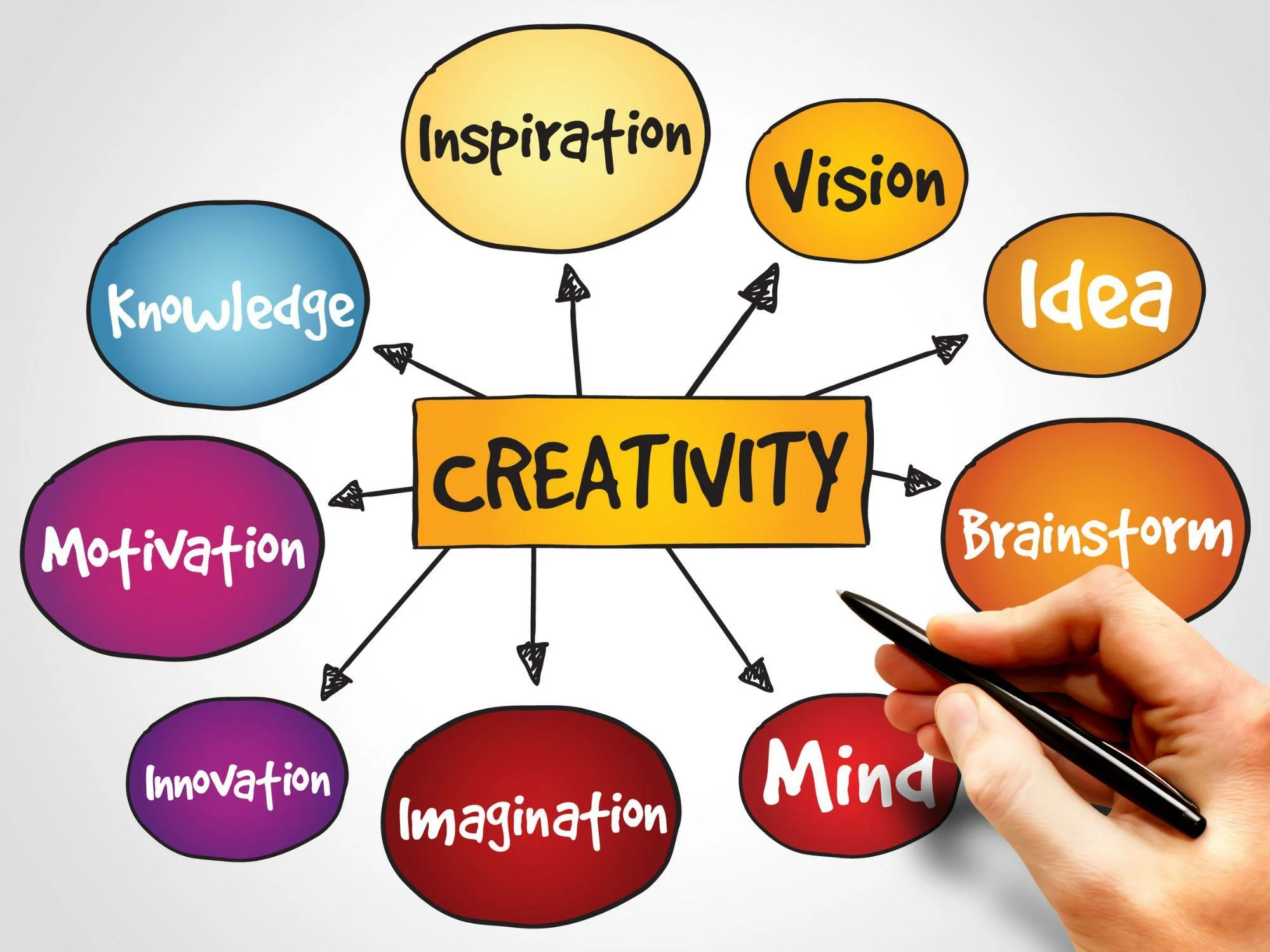
- noun
- Creativity is defined as the tendency to generate or recognize ideas, alternatives, or possibilities that may be useful in solving problems, communicating with others, and entertaining ourselves and others.
- Example: Introducing innovative ideas, practices, and methods to improve your work or that of others.
- en: créativité
- diversity
- noun
- The practice or quality of including or involving people from a range of different social and ethnic backgrounds and of different genders, sexual orientations, etc.
- Example: Learning about diversity prepares students to live in a multicultural society.
- en: diversité

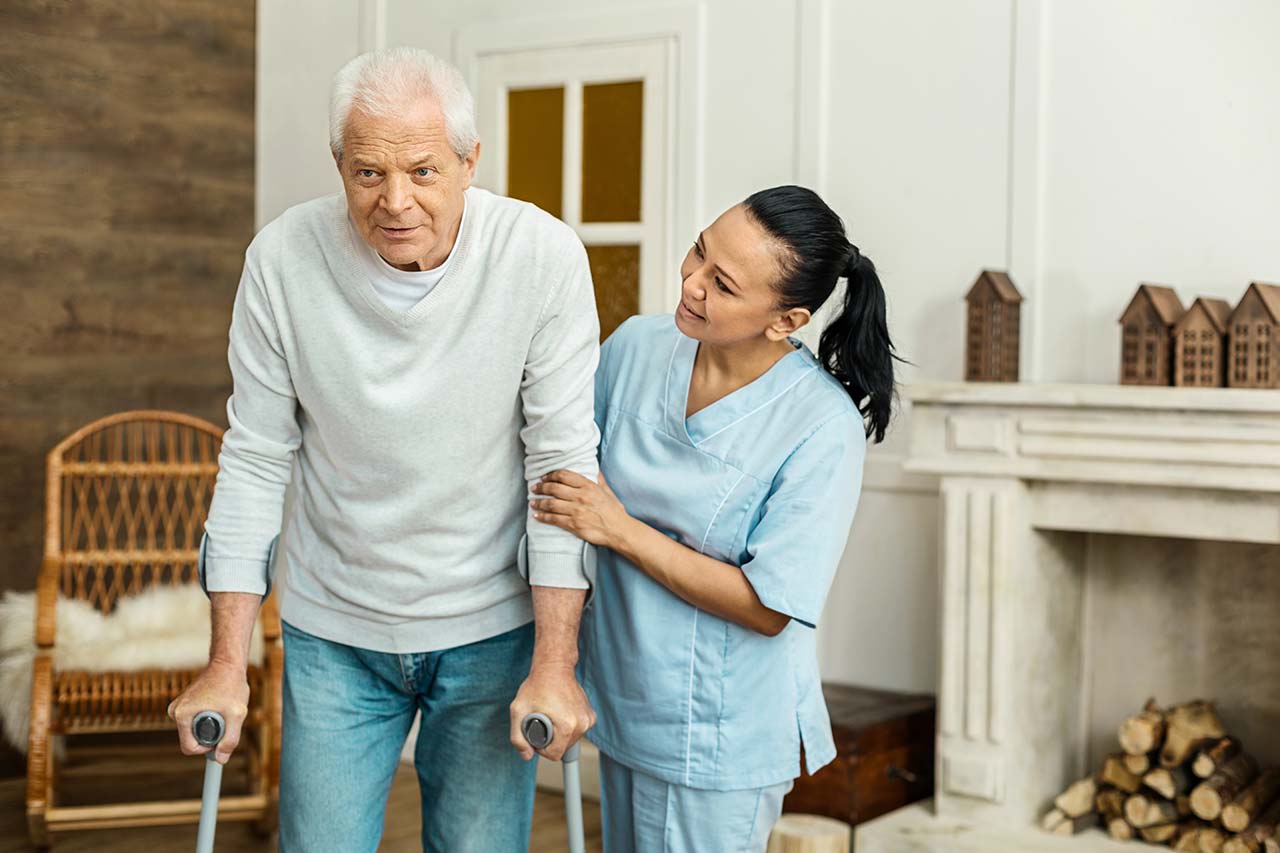
- elderly people
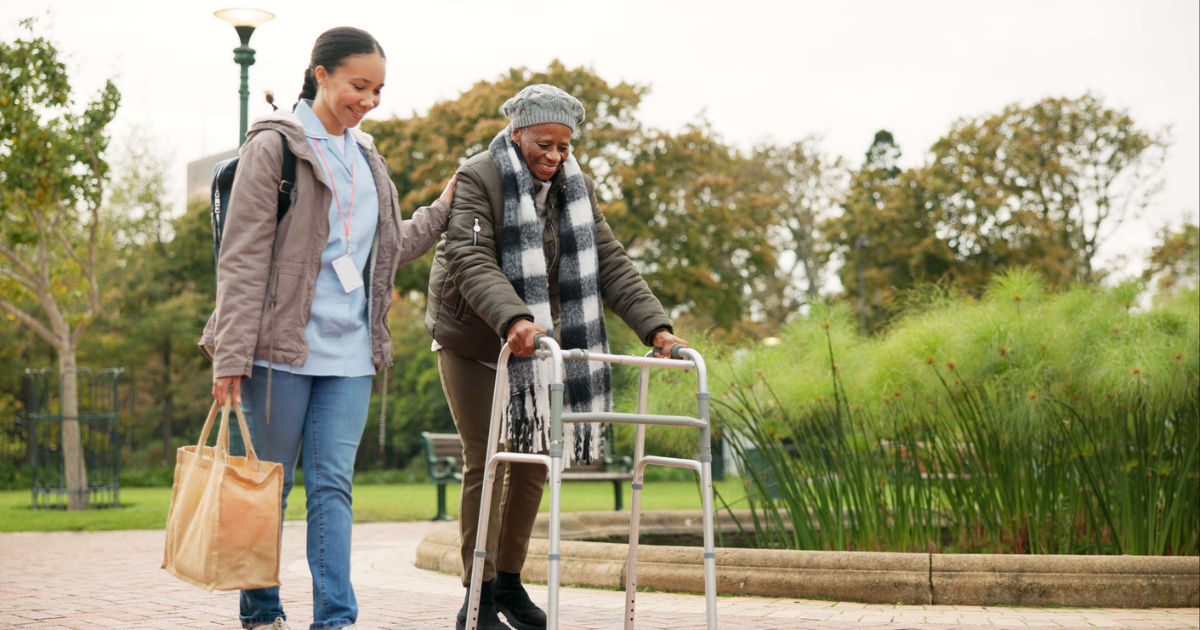
- noun
- Elderly people are generally defined as individuals aged 65 or older, representing a phase of life past middle age and often characterized by increased physical frailty and, in many contexts, retirement from work.
- Example: A key area in practical patient care over the last few years has been the education of carers in different ways to communicate, whereas people in the past may have assumed that ELDERLY PEOPLE become deaf, it is now understood that Alzheimer's patients have not lost the ability to hear, but the ability to process the audio information and so it must be presented in a way that they will understand.
- en: personnes âgées
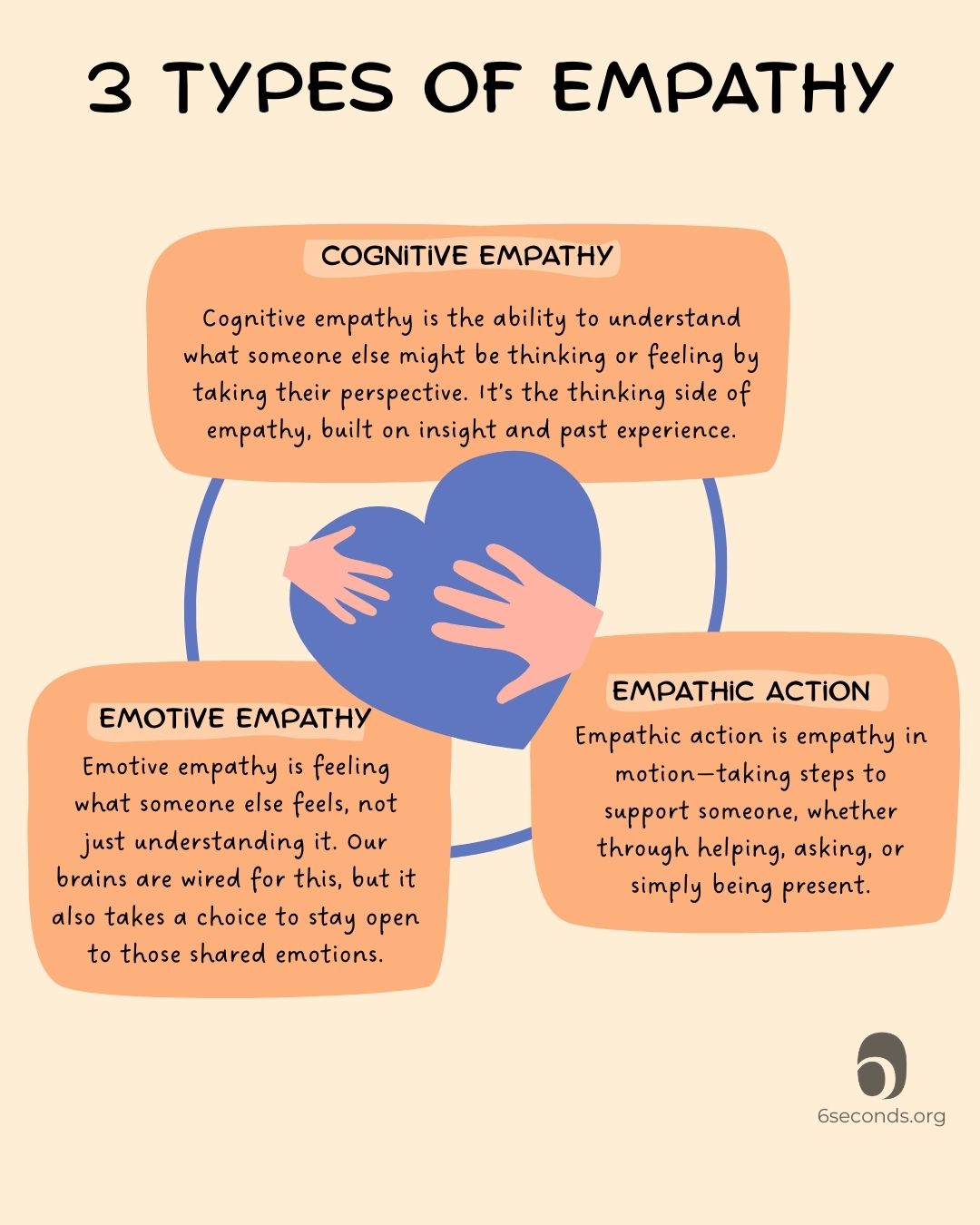
- empathy
- noun
- The ability to understand and share the feelings of another.
- Example: Rungapadiachy has identified some of the interpersonal skills a health professional will need to communicate effectively as; warmth, acceptance, genuineness, EMPATHY, listening and responding. (1999) To consider how a health professional may demonstrate these skills it is necessary to describe effective use of the following aspects of communication; verbal, non-verbal, listening and responding.
- en: empathie
- evolving note
- noun
- An "evolving note" (often referred to as an evolution note or progress note) is a documentation record that captures the gradual development, changes, or progress of a subject over time.
- Example: During a discussion with the parent of Chloe, I did an elvoving note to write the important things about the discussion.
- en: note évolutive

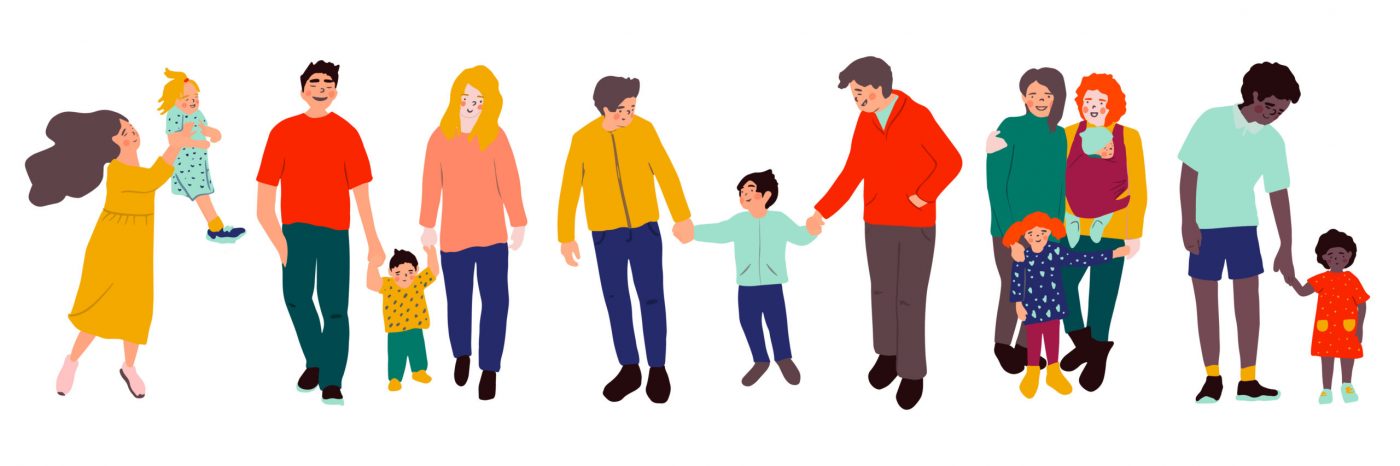
- families
- noun
- Family: A family is a group of two or more persons related by birth, marriage, or adoption who live together; all such related persons are considered as members of one family.
- Example: However the findings from the study can be used to work towards more community-based nurse-led services for the management of childhood constipation, and work to provide better education and support for the children and their FAMILIES. So that hopefully in the future patients and their FAMILIES experiences' of childhood constipation, in particular can be more positive and lead to better management of care.
- en: familles
- open-minded
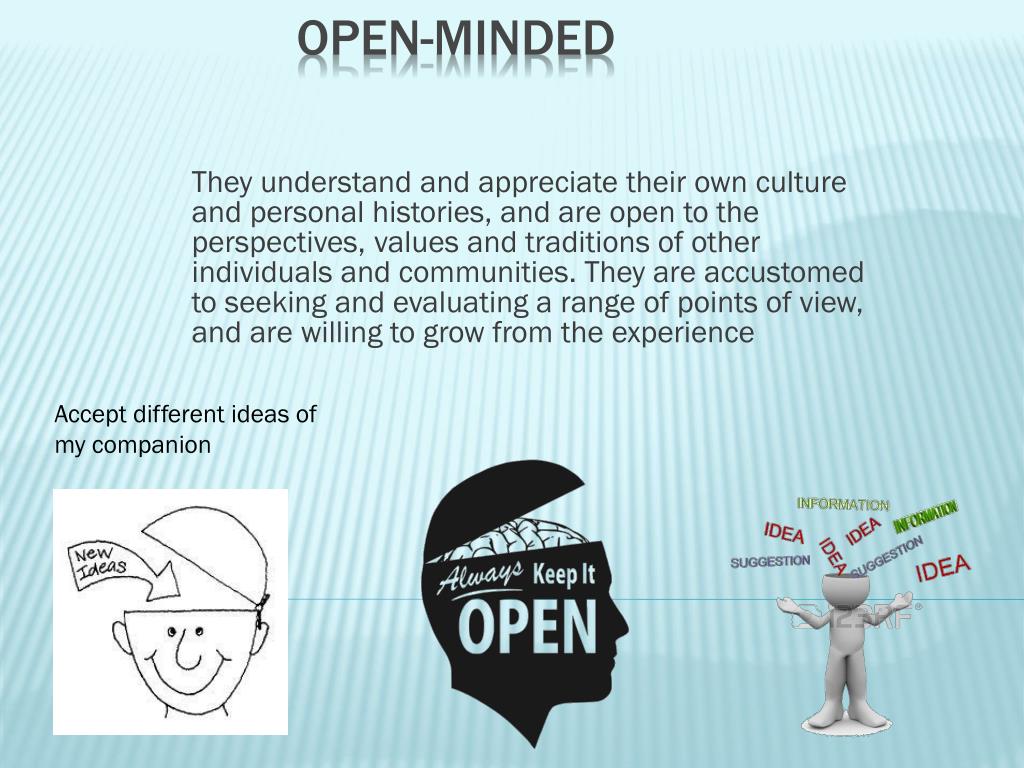
- adjective
- Willing to consider new ideas; unprejudiced.
- Example: People need to be more OPEN-MINDED when analysing their involvement, as it is not always in the traditional sense, and can be very different to that of the older electors.
- en: ouvert d'esprit
- patience
- noun
- The capacity to accept or tolerate delay, trouble, or suffering without getting angry or upset.
- Example: The result was a motivated trainee, and I realized that this industry demands from staff and managers some innate attributes; in addition, I understood that PATIENCE is a virtue and that a little persistence and encouragement, is needed to stimulate those who may not be well prepared to deal with the industry.
- en: patience

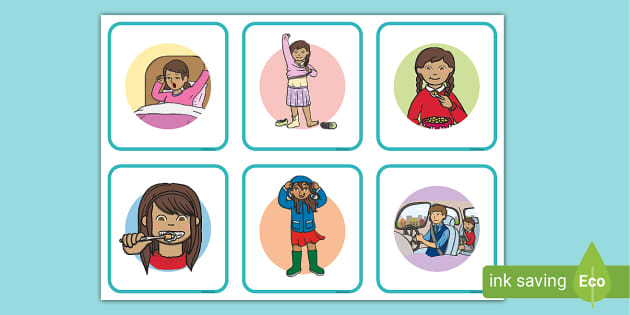
- pictogram
- noun
- A pictogram uses pictures or symbols to represent data or information. Each picture represents a number of items, making the data clear and easy to read. The title of the pictogram tells us what the information is about. The pictures and labels show us what each symbol represents and how much it stands for.
- Example: Noah has sequence of pictogram on his house's fridge to help him with his school morning routine.
- en: pictogramme
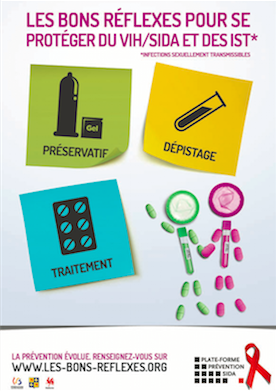
- prevention
- noun
- The term "prevention" is typically used to represent activities aimed at stopping or reducing an action or behavior, but can also be used to represent activities that promote a positive action or behavior while reducing risk.
- Example: Noemie is doing an activity of prevention to high school students about STBBI (Sexually Transmitted and Blood-Borne Infections) to raise awareness in order to prevent that type of situation that could lead to negative consequences.
- en: prévention
- self-esteem
- noun
- Self-esteem is the overall subjective evaluation of one’s own worth, value, and competence. It represents the emotional belief in whether one is "good enough" and deserving of happiness, influencing how individuals perceive their abilities, handle challenges, and maintain relationships.
- Example: Low self-esteem can affect a person's confidence and motivation.
- en: estime de soi

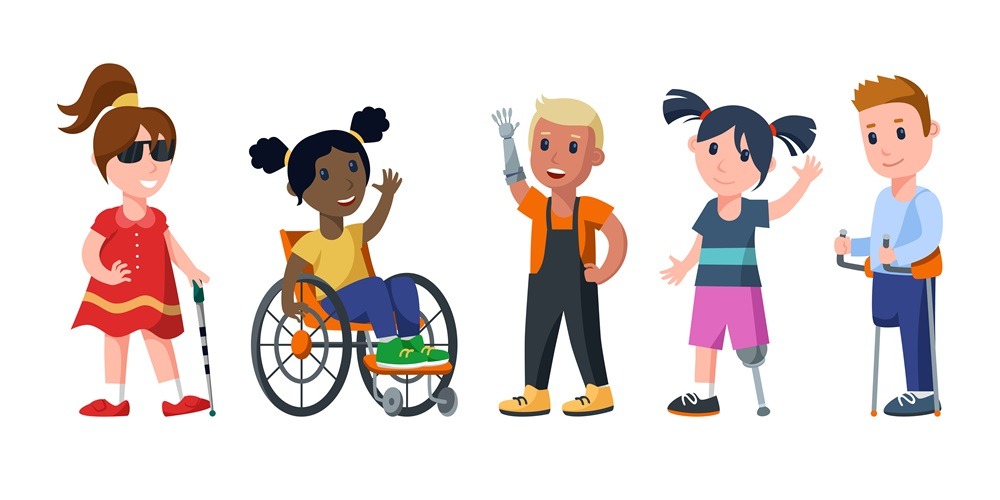
- special needs
- noun
- Particular educational requirements arising from physical or intellectual disability or behavioral difficulties.
- Example: The school provides resources to support children with special needs.
- en: besoins particuliers
- vulnerability
- noun
- The conditions determined by physicals, social, economic and environmental factors or processes which increase the susceptibility of an individual, a community, assets or systems to the impacts of hazards.
- Example: Sharing personal experiences can be a sign of vulnerability.
- en: vulnérabilité


Comments
Post a Comment